Source Customized White CPU Cooling Heatsink for Servers
Find a customized white cpu cooling heatsink for computer motherboards, graphics cards, and processors. Compare 30 options featuring aluminum and copper materials with digital water temperature sensors and various cooling structures; compare the available evidence and request quotations based on your requirements.
Key considerations
Products List


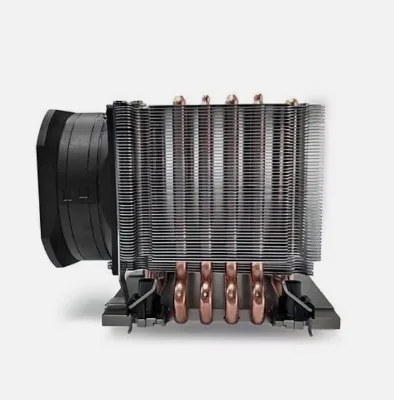
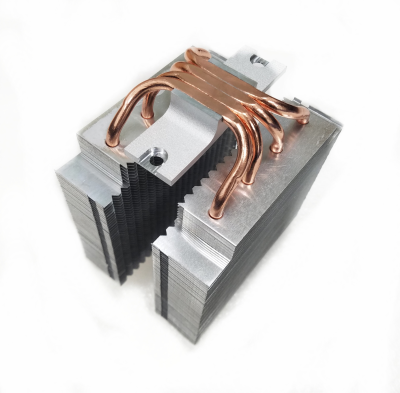
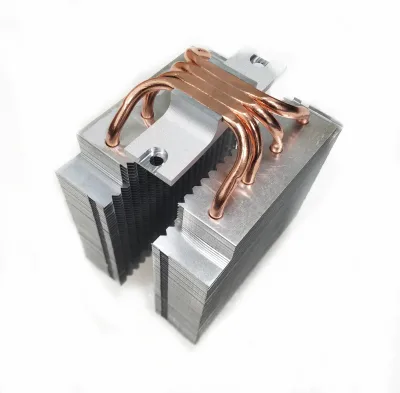


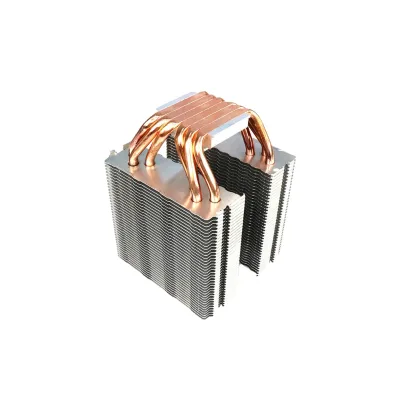
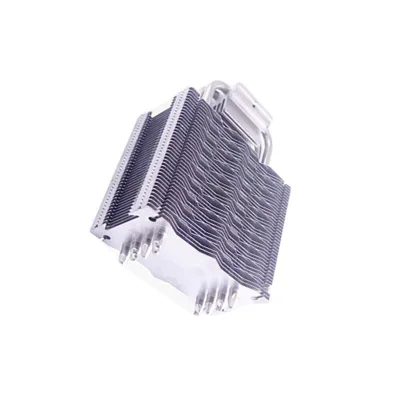
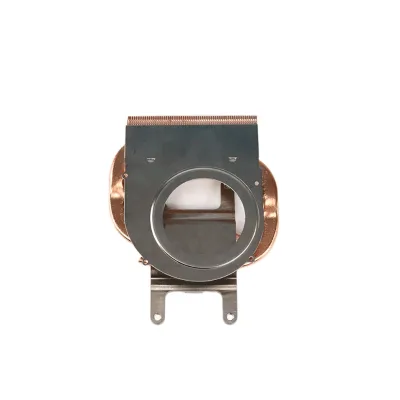
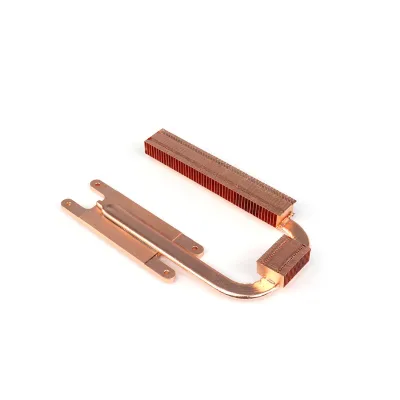
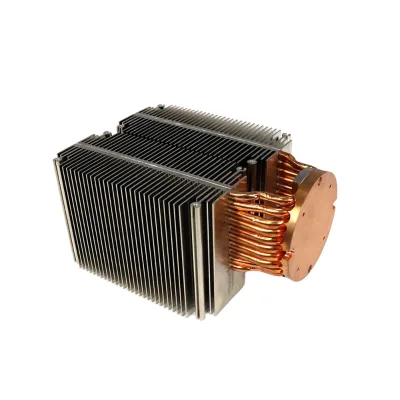
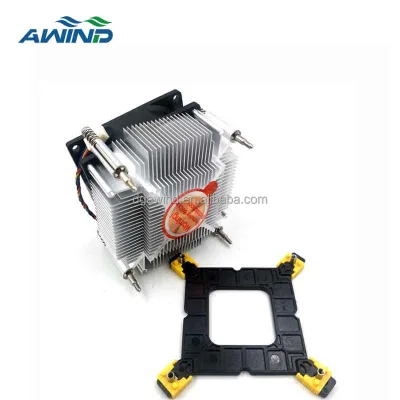
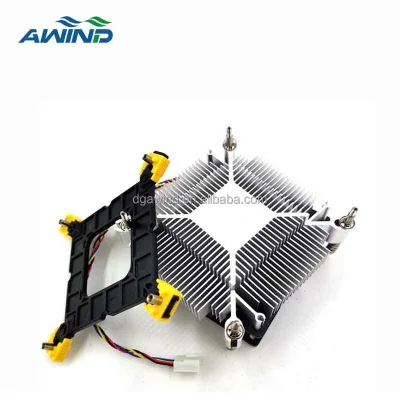
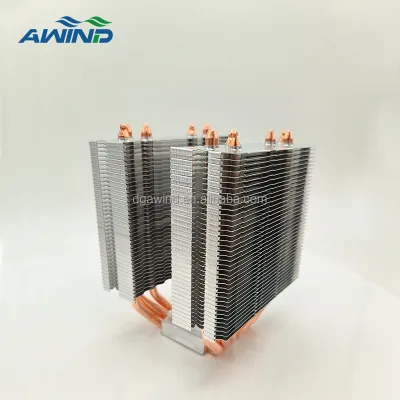
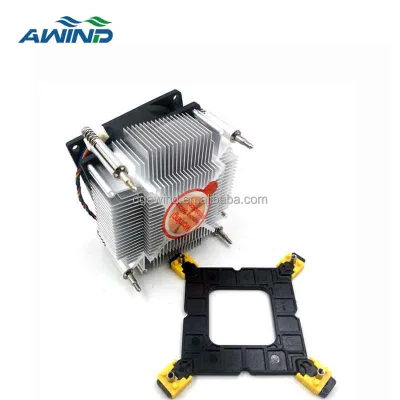
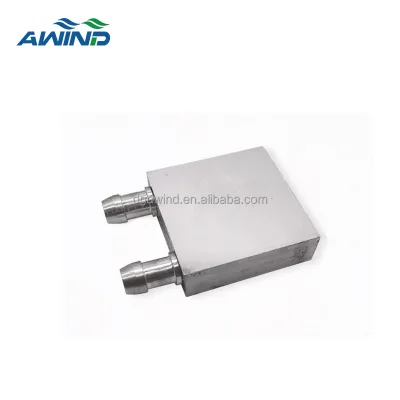
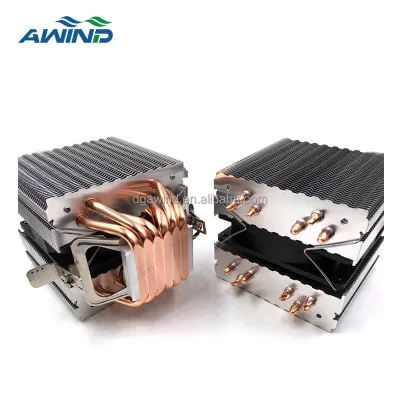


Comprehensive Sourcing Guide
Customized White CPU Cooling Heatsink Sourcing Guide
Procuring customized white CPU cooling heatsinks requires distinguishing between general radiator components and specialized thermal management units designed for specific electronic architectures. The market offers a diverse range of options, from open-type structures to sealed configurations, often utilizing aluminum or copper-aluminum alloys to optimize heat dissipation. Buyers must carefully evaluate whether the product is intended for computer case integration, processor cooling, or motherboard and graphics card applications, as the structural design varies significantly across these use cases.
Verification of the cooling fluid type and sensor technology is critical when selecting a unit for liquid cooling systems, as some listings specify alcohol-based fluids while others rely on air cooling mechanisms. The presence of digital water temperature sensors and direct-flow radiator cores indicates advanced thermal regulation capabilities suitable for high-performance computing environments. Sourcing teams should prioritize suppliers who explicitly define the cooling fluid brand and structure type to ensure compatibility with existing system architectures and thermal management protocols.
Product Scope and Observed Listing Signals
The observed product listings reveal a wide spectrum of specifications, with model numbers ranging from generic identifiers like "CUP radiator" to specific designations such as "HS-E009" and "Inter 2U standard cooler." These variations suggest that the market includes both standard off-the-shelf components and highly tailored solutions where dimensions, alloy composition, and surface treatments are customized to meet unique engineering requirements. Buyers should expect to encounter products with varying fan sizes and packing standards, ranging from wooden pallets to standard packages with pallets, depending on the order volume and shipping method.
Listing signals indicate that customization is a primary feature, with many suppliers offering tailored colors, sizes, and standard compliance options. The availability of samples and the acceptance of single-item selling units suggest a flexible procurement environment suitable for prototyping and small-batch testing. However, the presence of bulk new condition items alongside customized models requires buyers to clearly define their volume needs to avoid confusion between stock availability and bespoke manufacturing timelines.
Technical Specifications to Verify
Technical due diligence must focus on the core material composition and surface treatment processes, as these directly impact thermal efficiency and longevity. Listings frequently cite aluminum bodies, copper-aluminum heatsink materials, and surface finishes including anodizing, powder coating, and painting. Buyers should verify the specific welding method, such as soldering, and confirm the presence of anti-oxidation protective layers to ensure the component can withstand the thermal cycling and environmental exposure typical in computer and industrial applications.
The structural design and core type are equally critical, with options ranging from tube-fin cores to heatpipe and cross-fin configurations. Verification of the radiator type, whether direct-flow or otherwise, and the specific cooling fluid compatibility is essential for system integration. Additionally, the presence of performance testing protocols and the definition of the CPU type compatibility, such as "All" or specific processor models, must be confirmed to ensure the heatsink meets the thermal load requirements of the target application without risking system instability.
Compliance and Safety Documentation
Compliance verification extends beyond basic product certifications to include adherence to international and regional engineering standards. The supply chain data references a variety of standards including GB, EN, API650, China GB Code, JIS Code, and TEMA, indicating that suppliers may cater to different regulatory environments. Buyers must confirm which specific standards apply to their intended market and ensure that the product documentation explicitly states compliance with these codes to avoid legal or safety liabilities during deployment.
Safety documentation should also address the certification status of the cooling components, with some listings mentioning TSCold style certifications or ISO-related designations. It is vital to distinguish between general product certifications and specific safety approvals for the cooling fluid and electrical integration. Procurement teams should request detailed test reports and safety data sheets that validate the performance of the anti-oxidation layers and the structural integrity of the sealed or open-type designs under operational stress.
Cost Drivers and Commercial Terms
Cost structures for customized white CPU cooling heatsinks are heavily influenced by the degree of customization required, including specific alloy compositions, surface finishes, and unique dimensional specifications. The observed price range spans from low-cost standard items to high-value specialized units, reflecting the complexity of the manufacturing process and the materials used. Buyers should anticipate that orders requiring specific color customization, non-standard sizes, or proprietary cooling fluid integration will incur higher unit costs compared to generic stock items.
Commercial terms such as Minimum Order Quantity (MOQ) and shipping methods play a significant role in the total cost of ownership. Listings indicate MOQs ranging from single items to 1000 units, offering flexibility for both prototyping and mass production. Shipping options typically include sea and air freight, with packing standards varying from wooden pallets to standard packaging. Buyers must negotiate clear terms regarding sample acceptance, lead times for customized orders, and the logistics of transporting fragile thermal components to ensure cost predictability.
Supplier Qualification and Quality Control
Supplier qualification should prioritize manufacturers with demonstrated capabilities in surface treatment and precision welding, as these processes are critical for the durability of thermal components. The presence of specific surface treatments like anodizing and powder coating, along with welding methods such as soldering, indicates a mature manufacturing base. Buyers should verify the supplier's location, with many operations based in Guangdong, China, and assess their capacity to maintain consistent quality across customized batches.
Quality control protocols must be rigorously evaluated, with a focus on performance testing and the consistency of the cooling fluid and sensor integration. Suppliers offering performance testing as a standard service provide a higher level of assurance regarding product reliability. Procurement teams should request evidence of quality control processes, including inspection reports for the tube-fin cores and heatpipe structures, to ensure that every unit meets the specified thermal and mechanical requirements before shipment.
Long-Term Procurement Checks
Long-term procurement success depends on establishing a reliable supply chain capable of sustaining consistent quality and delivery schedules for customized components. Buyers should monitor the supplier's ability to maintain the specific alloy and surface treatment standards over time, as variations in these areas can significantly impact thermal performance. Regular audits of the manufacturing process and surface finish consistency are recommended to prevent drift in product quality that could compromise system reliability.
Strategic partnerships with suppliers who offer flexible customization and robust sample acceptance policies can mitigate risks associated with design changes and market fluctuations. Buyers should maintain open communication regarding standard updates and certification requirements to ensure ongoing compliance with evolving industry norms. Establishing clear feedback loops for performance testing results and field data will help refine specifications and ensure that the customized white CPU cooling heatsinks continue to meet the evolving needs of the application environment.
FAQs
Can customized white cpu cooling heatsinks be sourced with specific certifications?
Yes, customized white cpu cooling heatsinks can be sourced with specific certifications such as TSC and ISO standards. Buyers should verify the exact certification requirements with the manufacturer before placing orders. Customization is available for various certification needs, ensuring compliance with regional regulations. Always confirm the documentation provided by the supplier to ensure the product meets your specific quality and safety standards.
What materials are used for customized white cpu cooling heatsinks?
Customized white cpu cooling heatsinks typically use copper and aluminum materials for optimal thermal conductivity. The body material is often aluminum, while the core may feature tube-fin structures. Some variants use specific alloys customized for performance. These materials ensure efficient heat dissipation for processors and graphics cards. Buyers can request specific material compositions to meet their thermal management requirements.
How is the customization process handled for these heatsinks?
The customization process allows for tailored specifications including size, color, and alloy composition. Buyers can request custom OEM designs and specific model numbers like 1082 or C3. The manufacturer accepts samples and offers flexible production based on client needs. Customization covers structural aspects and surface treatments like anodizing or powder coating to meet precise engineering requirements.
What are the typical packaging options for bulk orders?
Typical packaging options include wooden pallets and standard packages with pallets for bulk orders. This ensures safe transport via sea or air shipping methods. The packaging is designed to protect the heatsinks during transit from China. Buyers should specify their preferred packing details to ensure the products arrive in good condition. Standard packaging helps minimize damage and facilitates efficient logistics handling.
Which applications are suitable for these customized heatsinks?
These customized heatsinks are suitable for computer motherboards, graphics cards, and general processor cooling. They are designed for high-performance computing applications requiring efficient thermal management. The open or sealed structures can be tailored for specific airflow requirements. Buyers in the computer case and electronics sectors can utilize these components for reliable cooling solutions in various hardware configurations.
What surface treatments are available for the heatsinks?
Available surface treatments include anodizing, powder coating, and painting for aesthetic and protective purposes. An anti-oxidation protective layer is also applied to enhance durability. These treatments help maintain the white appearance and prevent corrosion. Buyers can choose specific finishes based on their environmental requirements. The surface treatment ensures long-term performance and visual consistency for the final product.